Welcome to Sungura Safari Camp
Where the Wild Feels Like Home


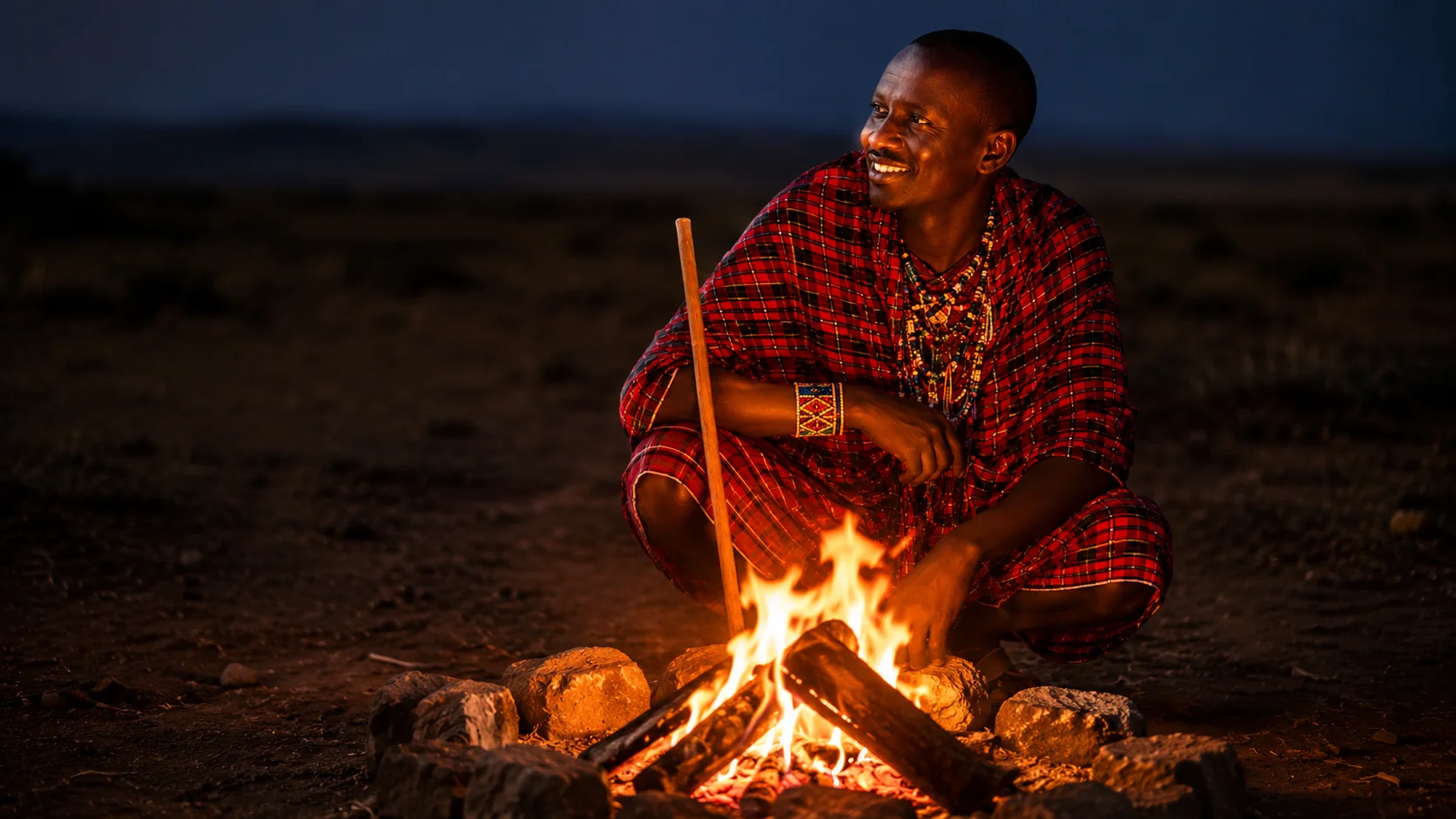
Where Kilimanjaro Meets the Wild
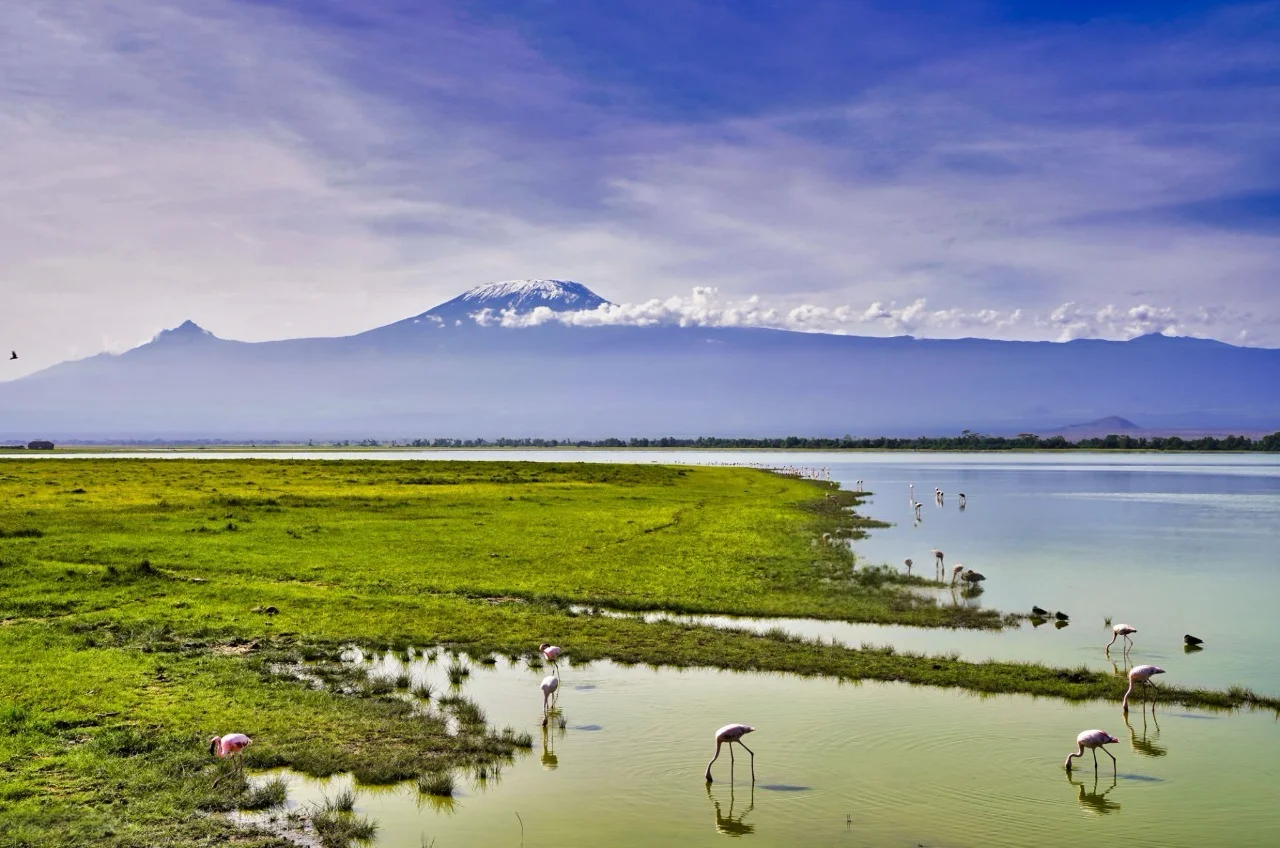
Amboseli National Park is one of Kenya's most popular parks, located 230km south-east of Nairobi on the Tanzanian border. The park sits in the rain shadow of Mount Kilimanjaro, Africa's highest peak, whose snow-capped summit forms a dramatic backdrop to the plains below. The name Amboseli comes from the Maa language, meaning "salty dust" — a nod to the dry lakebeds and dust-bowl landscapes that define much of the ecosystem.
Within its 8,000km² ecosystem, Amboseli is characterised by vast open plains, acacia woodlands, swamps, and seasonal marshes that draw large concentrations of wildlife year-round. The park is famous for its elephant herds — among the largest and best-studied in Africa — alongside buffalo, giraffe, zebra, wildebeest, hyena, and the predators that follow them, including lion and cheetah. The flat, open terrain makes for some of the most rewarding game viewing in East Africa, with Kilimanjaro rarely out of view.
Amboseli is equally celebrated among birders, with over 400 species recorded — from grey crowned cranes and flamingos to pelicans and kori bustards, especially around the swamps and the dry bed of Lake Amboseli. The park also lies within Maasai community land, and a visit here offers a genuine encounter with a living culture that has shared this landscape with wildlife for generations.
Amboseli National Park sits in Kenya's southern Rift Valley, hugging the Tanzanian border beneath Mount Kilimanjaro. Sungura Safari Camp lies within this highlighted ecosystem, just inside the AA Lodge Gate.
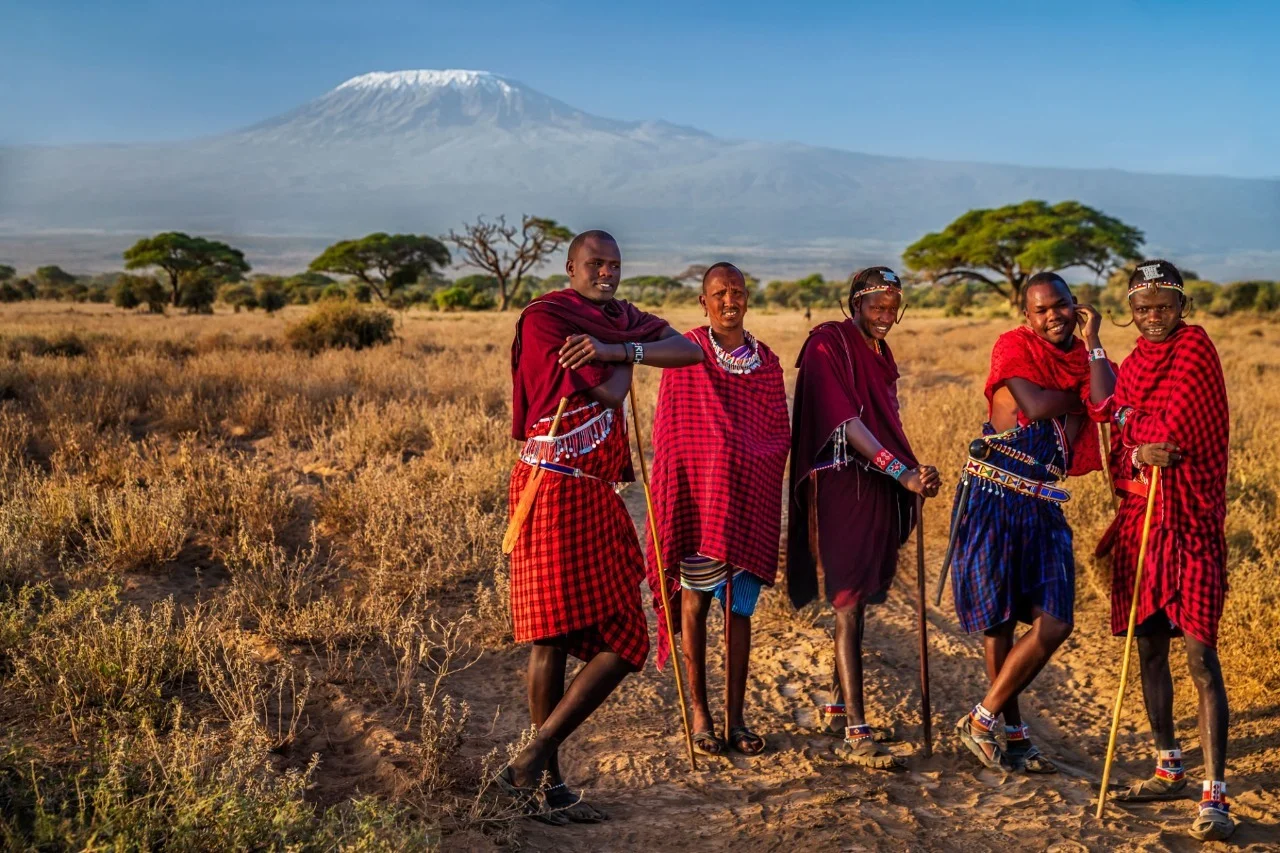
Amboseli is well connected by air, with scheduled and charter flights landing close to the park's gates — followed by a scenic road transfer to Sungura Safari Camp.
The main airstrip for the park sits near Empusel Gate, with scheduled flights arriving from Nairobi's Wilson Airport several times a day. From here it's a short game-drive transfer to Sungura Safari Camp, often with wildlife sightings along the way.
Kimana Airstrip serves the southeastern side of the ecosystem, close to Kimana Sanctuary. It's a handy alternative when flights to the main park strip are full, with a road transfer to camp that passes through community conservancy land.
Namanga sits on the main road between Nairobi and Arusha, on the Kenya–Tanzania border. Guests combining Amboseli with a Tanzanian safari often route through here before the road transfer to camp.
This airstrip serves the town of Loitokitok in the foothills of Kilimanjaro, used mainly by private charters. It offers dramatic mountain views on approach, followed by a road transfer to Sungura Safari Camp.
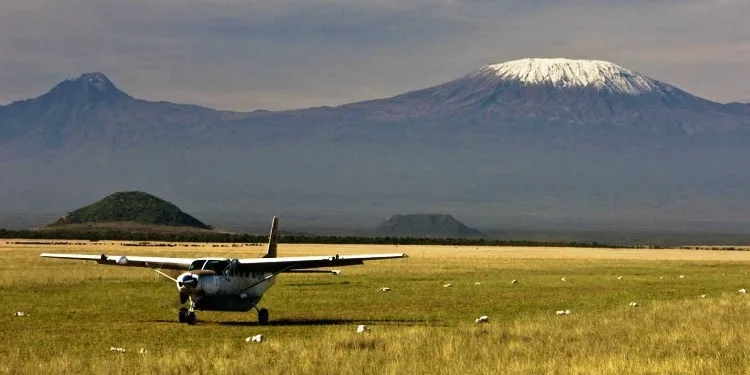
From the swamps at the foot of Kilimanjaro to the conservancy land bordering Sungura Safari Camp, each part of the ecosystem has its own character.


SUNGURA SAFARI CAMP
Elephants at dawn, Kilimanjaro on the horizon, and a camp that puts you inside the wild.
Amboseli is a year-round destination, but the season you choose shapes the experience.
The dry months bring the clearest views of Kilimanjaro and the best wildlife viewing, as animals gather around swamps and waterholes. This is Amboseli's busiest period, so camps fill quickly — book well ahead.
The rains transform Amboseli into a lush, green landscape with dramatic skies and excellent birdlife, including migratory species. Camps are quieter and rates are lower — afternoon showers are usually short.
“Situated near the AA Lodge Gate and Sentrim Amboseli, Sungura Safari Camp provides unmatched access to the park.”